Tokugawa Ieyasu and the History of the Nikko Sugi Cedar Avenue
Nikko’s tree-lined avenue is closely linked to Tokugawa Ieyasu (1543–1616), founder of the Tokugawa shogunate.
Ieyasu emerged as a powerful warlord at the end of the 1500s. A century prior, the ruling government had begun its slow collapse, and the country had descended into civil war. Factions of regional warlords, warrior monks, and armed peasants began fighting all over the fractured country.
Ieyasu capitalized on this chaotic period. Although he had spent his childhood as a political hostage, he rose to seize command of a sizable territory. Ieyasu was a clever tactician who made and broke alliances, pitted his rivals against each other, and maneuvered himself into positions of power. In 1600, Ieyasu’s coalition won a decisive battle on the Sekigahara Plain, and in 1603, he established himself as shogun. He and his descendants would rule Japan for the next 250 years.
Establishment of the Five Routes
As shogun, one of Ieyasu’s first concerns was transportation infrastructure. In 1601, he ordered the creation of a vast road network. Developing and expanding the roads took many decades, during which the shogunate built checkpoints to monitor traffic and designated way stations where travelers could find food, new horses, and beds. Under this system, secondary roads funneled traffic to five main highways that all converged on Edo (now Tokyo). These major roads were referred to as the “five routes” (gokaido).
The gokaido system was vital to the movement of goods, people, and information. Through its network of way stations and checkpoints, the shogunate was able to exert influence far from the capital, and the roads themselves could be used to quickly dispatch troops to quell an uprising or settle disputes.
Nikko Toshogu Shrine and Masatsuna’s Gift
Tokugawa Ieyasu died in 1616, having just eliminated his last political rival. His spirit was enshrined in Nikko, where it is venerated as Tosho Daigongen, the “Great Shining Gongen of the East.” The third shogun, Tokugawa Iemitsu (1604–1651), spent lavishly to expand and beautify the shrine, which is known today as Nikko Toshogu.
Countless pilgrims and numerous Tokugawa descendants came to pay their respects at Nikko Toshogu. Those journeying to the shrine took the Nikko Kaido Road, one of the gokaido, or “five routes.” Each year, the imperial family sent a representative from Kyoto to make offerings to Ieyasu’s spirit, and an official route, the Reiheishi Kaido, was established for the journey.
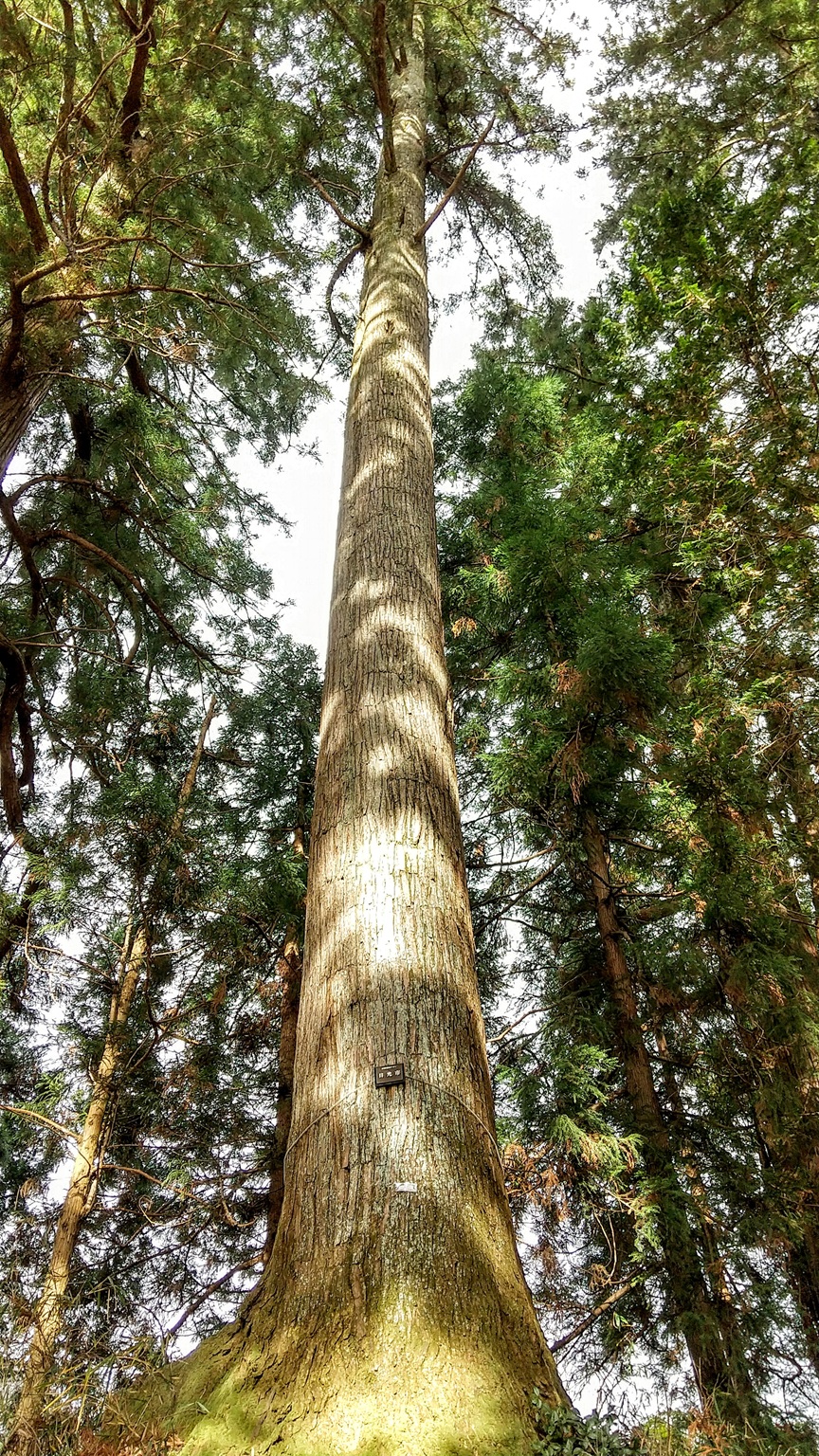
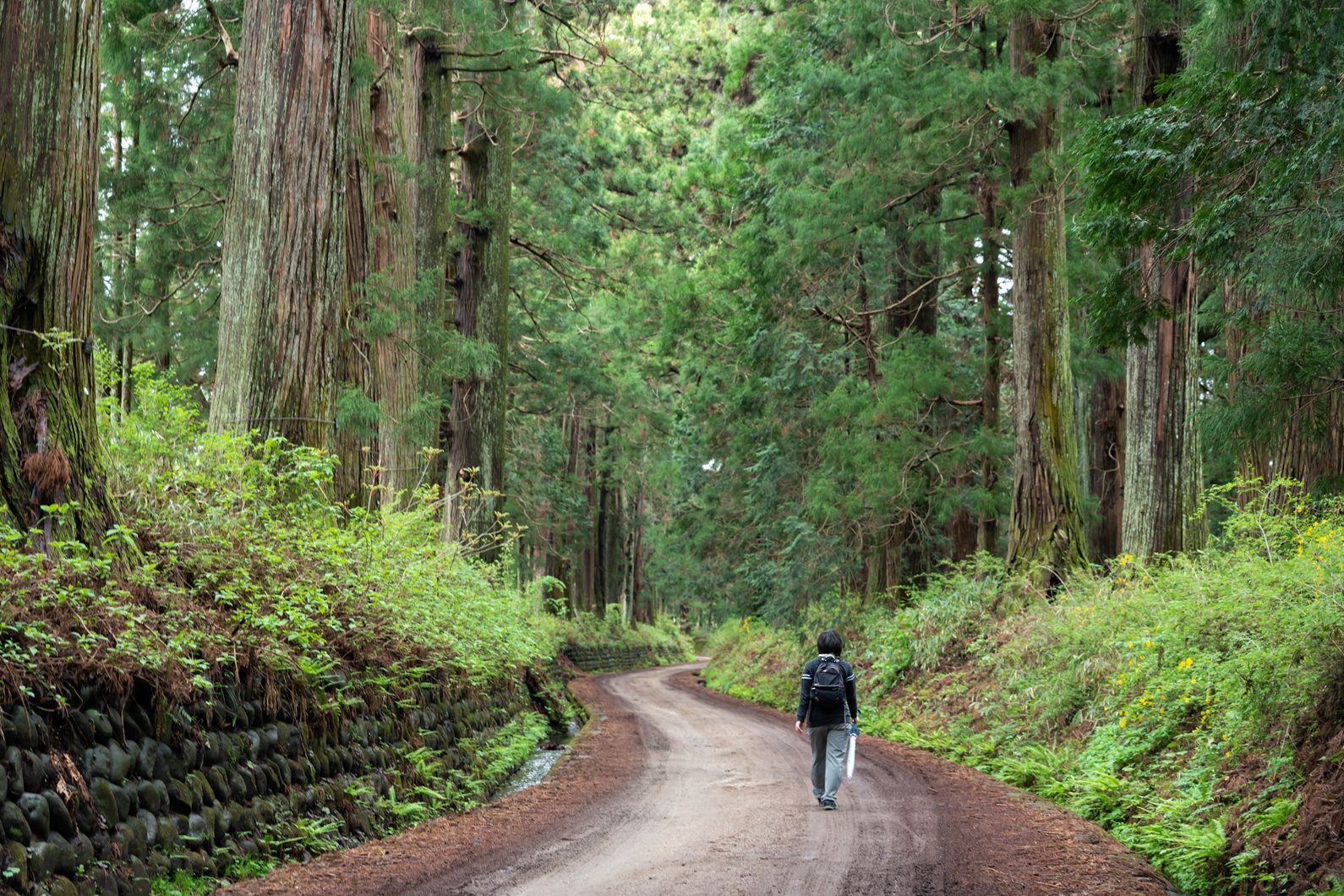
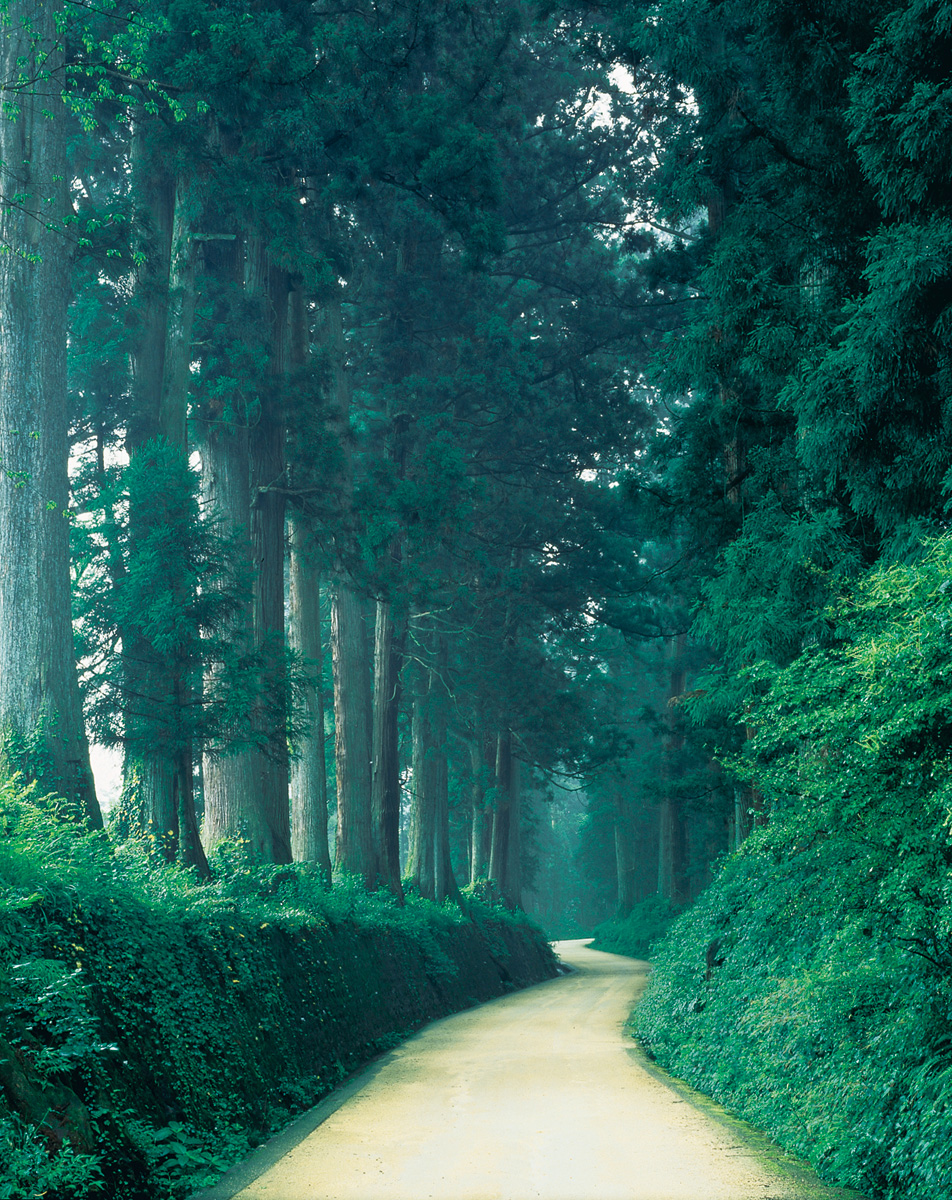
In 1625, Matsudaira Masatsuna (1576–1648) began a project to line the approach to Nikko Toshogu with sugi cedar trees. Masatsuna was a devoted retainer of the Tokugawa family and was entrusted with the important role of recording and conserving Ieyasu’s personal effects. He ordered the planting of thousands of sugi trees along the three roads to the shrine. More than 20 years later, the project was completed by his son Masanobu (1621–1693).